San Antonio draws millions of visitors annually for its mix of history, theme parks, and River Walk culture - and its 3-star hotel scene is one of the most practical ways to cover the city without overpaying. This guide compares six verified 3-star properties across different San Antonio districts, breaking down what each one actually delivers in terms of location logic, room setup, and booking value.
What It's Like Staying in San Antonio
San Antonio is a sprawling city where your hotel's zip code matters far more than in compact urban destinations. The River Walk, The Alamo, and the Pearl District are clustered in the downtown core, but major attractions like Six Flags Fiesta Texas and SeaWorld San Antonio sit in entirely different quadrants - meaning most visitors end up driving regardless of where they stay. Free parking is the norm at 3-star properties here, which eliminates one of the most frustrating costs in other US cities. The city sees its heaviest foot traffic during Fiesta season in April and around major Spurs games at the Frost Bank Center, so neighborhood noise and availability shift significantly depending on your travel window.
Pros:
- Free parking is standard at virtually all 3-star hotels, saving around $20 per night compared to downtown alternatives
- Most 3-star properties include complimentary breakfast, which meaningfully reduces daily spend
- The spread-out layout means quieter hotel surroundings even during peak tourist periods
Cons:
- Car dependency is near-total - most 3-star hotels are not walkable to major attractions
- Downtown options at this price point are limited, pushing most stays to suburban corridors
- Heat from May through September makes outdoor exploration uncomfortable without an air-conditioned base
Why Choose 3-Star Hotels in San Antonio
In San Antonio's accommodation market, 3-star hotels occupy a genuinely useful tier - they consistently offer outdoor pools, fitness centers, free WiFi, and breakfast at price points that undercut downtown hotels by a meaningful margin. Unlike budget motels along I-10 or I-35, these properties maintain brand standards from Hilton, Marriott, IHG, and Best Western, which means predictable room quality and loyalty point eligibility. Room sizes at this tier tend to be more generous than in comparable coastal cities, with several properties offering suite-style layouts with kitchenettes - a practical advantage for families or extended stays. Extended-stay formats dominate the upper end of this tier, making San Antonio's 3-star market particularly strong for travelers staying more than three nights.
Pros:
- Suite and studio room formats are widely available, offering more living space than standard hotel rooms
- Brand-backed properties (Hilton, Marriott, IHG) provide loyalty redemption options without luxury pricing
- Outdoor pools and fitness centers are standard, not premium add-ons
Cons:
- Most properties are located in suburban corridors, not within walking distance of the River Walk or Alamo
- Breakfast quality varies significantly between properties despite being marketed similarly
- Limited evening walkability - dining and entertainment require driving in most locations
Practical Booking & Area Strategy
San Antonio's hotel districts each serve a different traveler profile. The Northwest corridor near The Rim and La Cantera on I-10 West is the strongest zone for theme park visitors - it puts Six Flags Fiesta Texas within minutes and offers upscale shopping at The Shops at La Cantera without downtown traffic. The Westover Hills area near SeaWorld on Highway 151 suits families with young children best. The Southside near Brooks City Base along Southeast Military Drive is the most affordable corridor and positions guests near the AT&T Center (now Frost Bank Center) for Spurs games or concerts. For first-time visitors prioritizing the River Walk and The Alamo, the Northeast quadrant near San Antonio International Airport on Loop 410 offers a midpoint between downtown and the airport - useful for short layover-style stays. Book at least 6 weeks ahead for April (Fiesta season) and holiday weekends, when occupancy across all tiers spikes sharply. Outside those windows, last-minute rates at 3-star properties often drop noticeably.
Best Value Stays
These properties deliver strong practical value across different San Antonio corridors - each offering brand reliability, key amenities, and free parking at competitive nightly rates.
-
1. Home2 Suites By Hilton San Antonio At The Rim, Tx
Show on map


 Check-infrom 15:00 until 23:59Check-outfrom 02:00 until 12:00
Just a few rooms left at the best rate!
fromUS$ 291
-
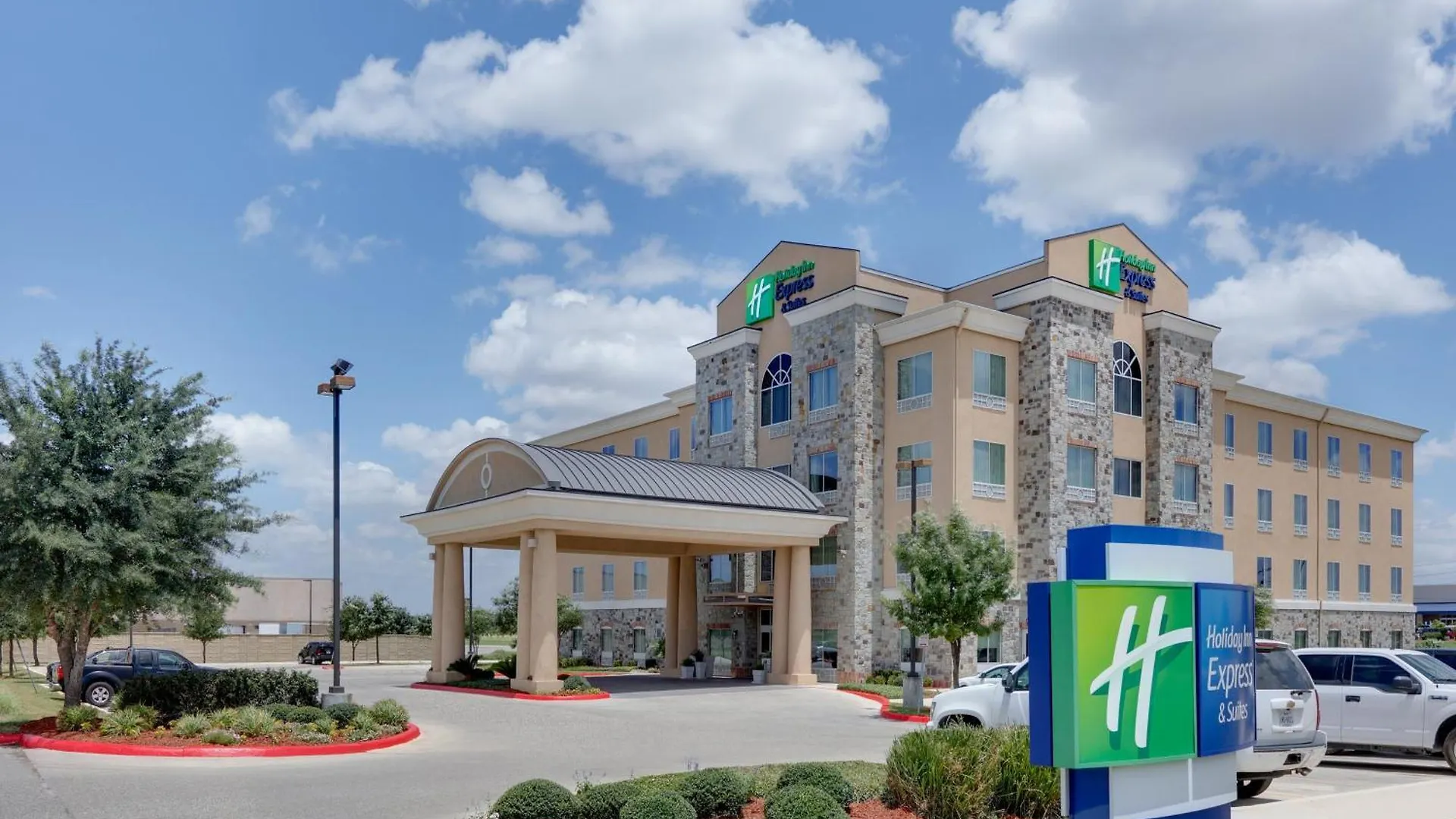
2. Holiday Inn Express & Suites San Antonio - Brooks City Base By Ihg
Show on map


 Check-infrom 15:00 until 23:59Check-outuntil 11:00
Just a few rooms left at the best rate!
fromUS$ 122
-
3. Best Western Garden Inn
Show on map


 Check-infrom 15:00 until 23:30Check-outfrom 06:00 until 11:00
Hurry – almost gone at this price!
fromUS$ 76
-
4. Knights Inn San Antonio Near Frost Bank Center
Show on map


 Check-infrom 15:00 until 23:59Check-outuntil 11:00
Hurry – almost gone at this price!
fromUS$ 49
Best Premium Stays
These properties offer expanded room formats, stronger brand infrastructure, and amenity sets that justify a higher nightly rate - particularly for families and extended-stay travelers.
-
5. Tru By Hilton San Antonio North
Show on map


 Check-infrom 15:00 until 23:59Check-outuntil 11:00
Rooms filling fast – secure the best rate!
fromUS$ 103
-
6. Towneplace Suites By Marriott San Antonio Westover Hills
Show on map


 Check-infrom 15:00 until 23:59Check-outuntil 12:00
Rooms filling fast – secure the best rate!
fromUS$ 163
Smart Travel & Timing Advice for San Antonio
San Antonio's peak demand window runs from late March through early May, driven by the Fiesta San Antonio festival in April - a 10-day citywide celebration that fills hotels across all tiers and pushes nightly rates up sharply. Summer (June through August) brings heavy theme park traffic from families, particularly around Six Flags and SeaWorld, keeping Northwest and Westover Hills corridor hotels consistently booked on weekends. October and November offer the most favorable combination of cooler temperatures, thinner crowds, and lower nightly rates - often around 25% below peak-season pricing. December sees a modest uptick around the San Antonio River Walk's holiday lighting display, but rates remain manageable. For Fiesta or major Spurs playoff dates, booking at least 8 weeks in advance is necessary to secure preferred properties at reasonable rates. Outside peak windows, last-minute availability at 3-star properties is common, and mid-week stays regularly come in below weekend pricing across all six properties in this guide. A stay of three to four nights is typically enough to cover the River Walk, The Alamo, and one major theme park without feeling rushed.