
New York State stretches from the Atlantic shoreline to the Adirondack peaks, covering over 54,000 square miles of terrain packed with Revolutionary War sites, Erie Canal towns, and 19th-century landmarks. Travelers searching for historic hotels here are typically looking for accommodations that connect them to specific chapters of American history - whether that's the women's suffrage movement in Seneca Falls, the military legacy of West Point, or the salmon fishing culture along the Salmon River in Pulaski. This guide breaks down six properties across the state that deliver genuine regional character and logistical value for history-focused travelers.
What It's Like Staying in New York State
New York State is one of the most historically dense regions in the United States, with over 5,000 sites listed on the National Register of Historic Places - from Colonial-era forts along the Hudson Valley to 19th-century industrial towns in the Finger Lakes. Getting between historic destinations requires a car in most parts of the state outside of New York City; public transport is limited once you move beyond the metro area. Crowd patterns vary sharply by region: Saratoga Springs peaks in summer during racing season, while the Finger Lakes draw visitors throughout fall foliage season.
History travelers benefit most from basing themselves in smaller towns with walkable historic districts rather than large cities where parking and costs eat into the experience. Outdoor enthusiasts and heritage tourists tend to overlap significantly here, since many historic sites sit within or adjacent to state parks.
Pros:
- Exceptional density of named historic landmarks per mile in regions like the Hudson Valley and Finger Lakes
- Wide variety of accommodation types - from lakeside motels near fishing heritage sites to traditional B&Bs in suffrage-era towns
- Many historic sites are free or low-cost to visit, keeping overall trip budgets manageable
Cons:
- Car rental is nearly essential outside NYC, adding around $60/day to trip costs
- Weather in upstate New York is unpredictable, especially between October and April
- Popular areas like Saratoga Springs and Lake George see significant price spikes during peak summer months
Why Choose Historic Hotels in New York State
Historic accommodations in New York State range from converted Victorian mansions operating as bed and breakfasts to roadside motels built during the mid-20th century motor-tourism era - both categories offering direct proximity to the landmarks that define each region. B&Bs in heritage towns like Seneca Falls typically cost around 20% less per night than chain hotels in the same area, while offering breakfast inclusions and local knowledge that standard hotels don't provide. Room sizes in older properties tend to be smaller than modern equivalents, but properties in this category usually compensate with outdoor space, period furnishings, and direct access to walkable historic districts.
The trade-off for staying in a historic property is primarily noise management and amenity limitations - older buildings may lack elevators, soundproofing, or modern HVAC in the way chain hotels deliver. Travelers prioritizing authenticity and proximity to heritage sites over standardized comfort consistently rate these properties more highly for overall experience.
Pros:
- Locations are typically chosen for proximity to the region's most significant historic landmarks
- Breakfast inclusions and personalized service common in B&B format reduce daily expenses
- Character-driven properties give travelers a stronger sense of place than generic chain stays
Cons:
- Older buildings may lack modern soundproofing or climate control consistency
- Availability is limited - most historic B&Bs have fewer than 10 rooms and book out weeks in advance
- Accessibility features for guests with mobility needs are often limited in heritage structures
Practical Booking & Area Strategy
New York State's most strategically located historic stays cluster around three corridors: the Hudson Valley (Route 87), the Finger Lakes (Route 20), and the Northern Tier near Lake Ontario and the Adirondacks. The Hudson Valley corridor gives the best transport access, with Route 87 connecting Harriman, West Point, and Saratoga Springs in a single north-south drive. For the Finger Lakes, Seneca Falls sits centrally between Geneva and Auburn, making it a strong base for visiting multiple suffrage and abolitionist landmarks including the Women's Rights National Historical Park and the Harriet Tubman Home in Auburn.
In the northern tier, Pulaski is the anchor town for Salmon River heritage tourism, drawing anglers and outdoor history enthusiasts who pair fishing with visits to the Salmon River Lighthouse. Book at least 6 weeks ahead for summer and fall foliage season in all upstate regions - inventory at smaller historic properties is tight. The Saratoga area in particular fills up rapidly during the August racing season, often pushing prices up by around 35% compared to shoulder months.
Best Value Stays
These properties offer direct access to New York State's historic corridors at accessible price points, with practical room amenities suited for multi-day heritage itineraries.
-
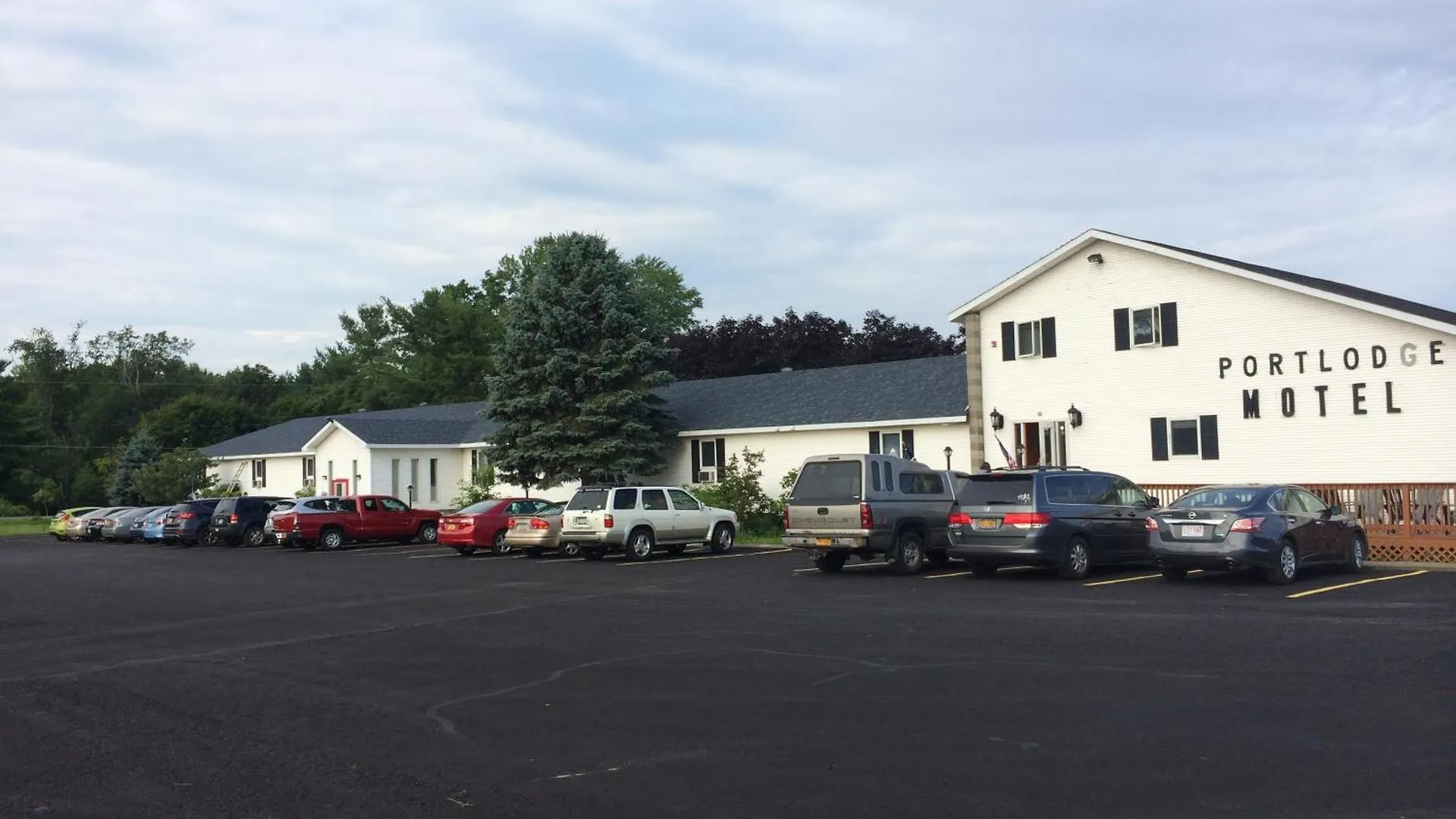
1. Port Lodge Motel
Show on map


 Check-infrom 15:00 until 23:59Check-outuntil 10:00
Just a few rooms left at the best rate!
fromUS$ 100
-
2. Red Carpet Inn Pulaski
Show on map


 Check-infrom 15:00 until 23:59Check-outuntil 11:00
Just a few rooms left at the best rate!
fromUS$ 117
-
3. Sara Glen Motel - Saratoga Springs-Glens Falls
Show on map


 Check-infrom 15:00 until 23:59Check-outuntil 11:00
Hurry – almost gone at this price!
fromUS$ 99
-
4. Quality Inn Geneseo
Show on map


 Check-infrom 15:00 until 23:59Check-outuntil 12:00
Hurry – almost gone at this price!
fromUS$ 132
Best Premium Stays
These two properties offer stronger amenity packages, distinctive historic character, or proximity to major named landmarks - suitable for travelers who want a more immersive and comfortable experience at a higher price point.
-
5. Barrister'S Bed & Breakfast
Show on map


 Check-infrom 15:00 until 21:00Check-outfrom 10:00 until 11:00
Rooms filling fast – secure the best rate!
fromUS$ 169
-
2. Hampton Inn Harriman Woodbury
Show on map


 Check-infrom 15:00 until 23:59Check-outuntil 11:00
Rooms filling fast – secure the best rate!
fromUS$ 139
Smart Travel & Timing Advice for New York State
New York State's historic tourism season runs hardest from late May through mid-October, with August being the most congested and expensive month - particularly in the Saratoga Springs area during the thoroughbred racing season. Prices in Saratoga drop by around 30% in September, while the historic sites remain fully open and crowds thin significantly after Labor Day. For the Finger Lakes, the optimal window is late September through mid-October, when fall foliage peaks and harvest festivals add cultural programming to the standard historic site circuit.
In the Hudson Valley near Harriman and West Point, spring (April-May) offers mild temperatures and lower rates before summer family travel peaks. The Salmon River corridor in Pulaski is most relevant in fall - specifically October and November - when the Chinook salmon run draws anglers and aligns with the area's outdoor heritage identity. Plan for a minimum of 3 nights in any single sub-region to meaningfully cover the historic sites without feeling rushed; New York State's distances between landmarks are larger than they appear on a map. Last-minute booking in summer is risky at smaller B&Bs and independent motels - properties like Barrister's Bed & Breakfast in Seneca Falls typically fill weeks in advance during peak months.


